AR400 vs AR500 vs Tungsten Carbide: A Wear Material Guide
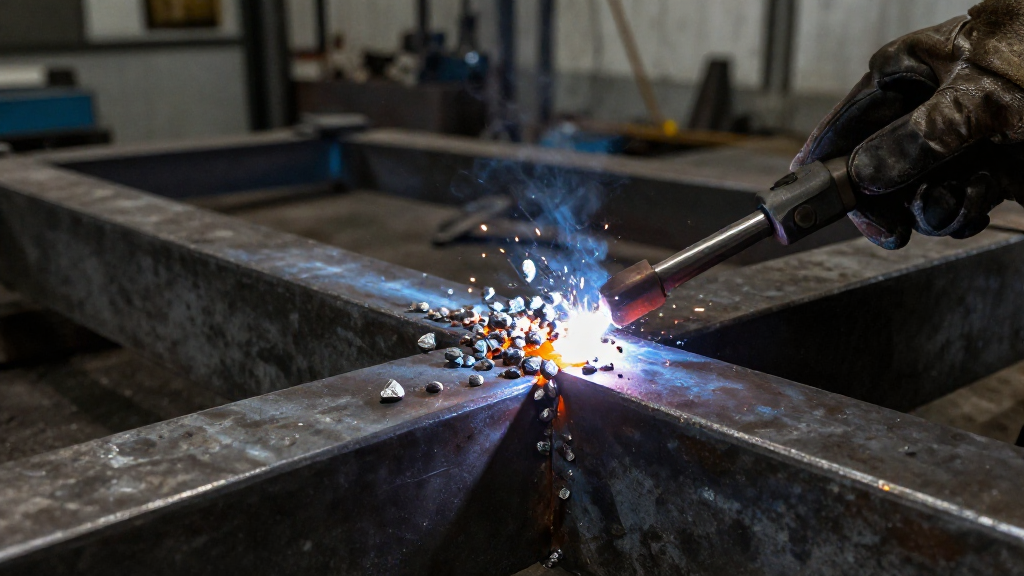
Choosing the right wear material is one of the most important decisions for industrial wear parts. Redband Fabrication works with AR400, AR500, and tungsten carbide hardfacing for components used in mining, aggregate processing, agriculture, composting, and material-handling equipment. This guide explains the differences between these materials so you can evaluate suitable options for your application. The guidance below is general and educational: actual performance will depend on the specific material product, the manufacturer's specifications, and your operating conditions.
Hardness vs. Toughness: Why the Hardest Option Is Not Always Best
Selecting abrasion-resistant steel means balancing several related but distinct properties:
- Hardness: a material's resistance to localized indentation.
- Abrasion resistance: resistance to material loss under abrasive contact, influenced by hardness, abrasive properties, operating conditions, and other factors.
- Toughness: a material's ability to absorb energy before fracture under specified conditions.
- Ductility: the ability to undergo plastic deformation before fracture.
These properties are related but distinct, and material chemistry, heat treatment, microstructure, thickness, and temperature can all influence the relationship between them. Hardness is an important consideration when selecting abrasion-resistant steel, but it is only part of the equation. Materials with similar hardness levels may have different toughness, wear behavior, and fabrication requirements. For applications involving significant impact or shock loading, the specific manufacturer's toughness data may be just as important as hardness.
| Material | Hardness | Impact | Abrasion |
|---|---|---|---|
| Mild Steel (A36) | ~120 Bhn | Application dependent | Very Low |
| AR400 | 360-440 Bhn | Moderate, varies by product | Moderate |
| AR500 | 477-540 Bhn | Varies by product | High |
| Tungsten Carbide Overlay | HV 1500-2200 | Moderate (base dependent) | Extreme |
Treat the table as a general quick reference, not a specification. Property values and behaviors vary between manufacturers and products, and no single grade is universally superior. Typically, but not in every application, higher hardness supports better abrasion resistance; the selection still needs to be reviewed against the specific operating conditions and the manufacturer's data.
ASTM A36: A Structural Steel, Not a Severe-Wear Material
ASTM A36 is a commonly used structural carbon steel that is typically selected for general fabrication applications rather than severe abrasive wear. Its relatively low hardness makes it less suitable for many high-wear applications. Although A36 is generally ductile, its suitability for impact-related service depends on the application, material condition, temperature, and any required toughness specifications.
Industrial impact toughness and ballistic impact suitability are not interchangeable. General-purpose structural steels such as A36 should not be assumed suitable for shooting targets. Applications involving severe shock, dynamic loading, low temperatures, or safety-critical impact may require additional toughness specifications or testing.
AR400: A Balanced, Application-Dependent Choice
AR400 is a general designation for abrasion-resistant steel plate with a nominal hardness around 400 Brinell. It is often considered for industrial wear applications requiring a balance of abrasion resistance, toughness, and fabrication characteristics. It may be a practical choice for certain liners, equipment components, and material-handling applications where both abrasion and impact are present. The appropriate material should be selected using the manufacturer's specifications and the expected operating conditions.
Note that mechanical properties can vary between AR400 products from different manufacturers. Impact toughness, weldability, formability, hardness range, yield strength, and resistance to cracking are not automatically identical across every AR400 plate, and AR400 should not be assumed to outperform AR500 in every impact-heavy service.
AR500: High Hardness Is Not Automatically Brittle
AR500 generally refers to abrasion-resistant plate with a nominal hardness around 500 Brinell. It is often selected for demanding abrasive-wear environments. AR500 typically offers higher hardness than AR400 and may provide improved resistance to certain types of abrasive wear. However, higher hardness does not automatically make a material unsuitable for impact. The toughness and suitability of a particular AR500 product depend on its composition, heat treatment, thickness, manufacturer, and operating conditions.
Some commercially available 500 HBW-class steels are specifically manufactured to combine high hardness with substantial impact toughness. In practice, some applications may favor AR400, AR450, AR500, or a specialized high-toughness wear plate. We recommend evaluating the specific abrasion and impact conditions of your application and consulting the material manufacturer's specifications before selecting a grade.
Material Selection by Application
Material selection starts with understanding how the part actually wears. Here are general guidelines for common wear applications:
- Impact from rock or debris: AR400 may be a suitable option because it is often considered where both abrasion and impact are present. Expected impact loads should be reviewed against the specific AR400 product's toughness data, and some applications may favor AR450 or a specialized high-toughness wear plate.
- Controlled abrasion with limited direct impact: AR500 typically offers higher hardness than AR400 and may provide improved resistance to certain types of abrasive wear in screening and sorting applications, depending on the product selected.
- Extreme abrasion with moderate impact: Tungsten carbide hardfacing on an AR400 or AR500 base may be considered for composter teeth, tillage tools, and bucket edges, where extreme abrasion is the primary wear mechanism.
- Structural brackets and guards: ASTM A36 is a common, economical choice for general fabrication where no severe abrasion environment exists, but its suitability for any impact-related service should be evaluated against the application and any required toughness specifications.
How We Work with Wear Materials
When a customer brings us a worn component or a drawing, we review the application to help evaluate a material match:
- Application assessment: We look at the abrasion type, impact frequency, and media composition for the part's operating environment.
- Material selection: We pair base steel and overlay systems to the dominant wear mechanism, using the manufacturer's specifications for the products under consideration.
- Fabrication: AR400 and AR500 components are cut, formed, and welded in our Caldwell shop, with tungsten carbide hardfacing applied where specified.
- Confirmation before quoting: Wear performance depends on the application, so we confirm project-specific capabilities with you before pricing.
Whether you are running aggregate processing equipment, a composting operation, or material-handling machinery, the right material choice starts with understanding how your parts actually wear. Send us your worn part or drawing and we will help you evaluate the right material for your application.
Serving the Treasure Valley
Redband Fabrication is located in Caldwell, Idaho, serving industrial customers across the Treasure Valley, including Nampa, Meridian, Boise, and Canyon County.
Frequently Asked Questions
What is the difference between AR400 and AR500 steel?
AR400 and AR500 are general designations for abrasion-resistant steel plate. AR400 has a nominal hardness around 400 Brinell and is often considered for applications involving abrasion and some impact. AR500 has a nominal hardness around 500 Brinell and is often selected for demanding abrasive-wear environments. Mechanical properties can vary between manufacturers and products, so the right choice depends on the manufacturer's specifications, material thickness, and the expected operating conditions.
When should I use tungsten carbide hardfacing instead of AR500?
Tungsten carbide hardfacing is often considered for applications where extreme abrasion is the primary wear mechanism and impact loads are moderate. It is applied as a weld overlay on base materials such as AR400 or AR500 for components like composter teeth, tillage tools, and bucket edges. Wear performance depends on the application, material, and operating conditions, so we confirm project-specific capabilities before quoting.