Tungsten Carbide Hardfacing: What It Is & How It's Applied
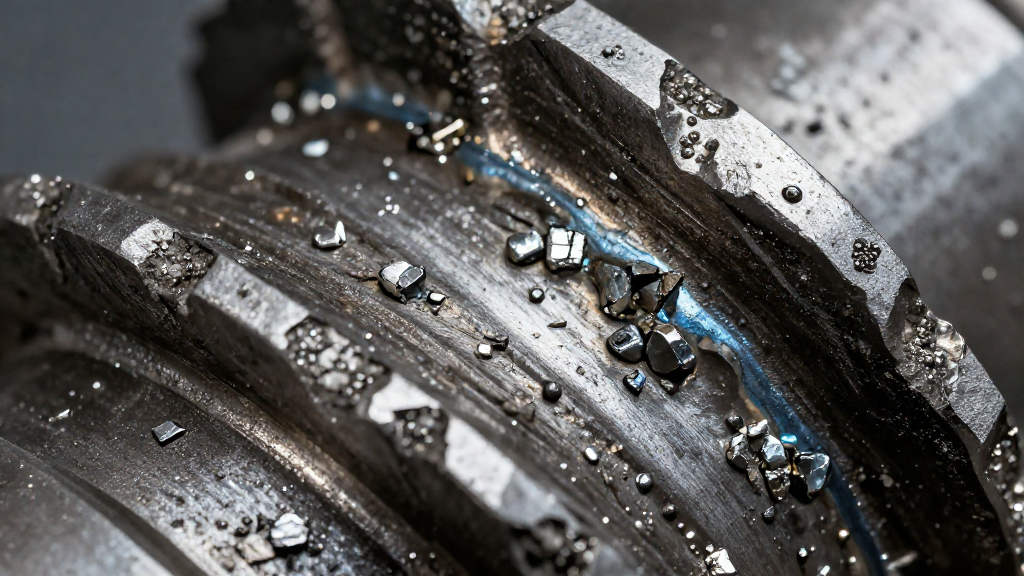
Tungsten carbide hardfacing is a weld overlay process used to protect steel components from extreme abrasion. Redband applies it as part of our industrial wear parts and hardfacing services in Caldwell, Idaho, for components used in mining, aggregate processing, agriculture, composting, and material-handling equipment.
How Tungsten Carbide Hardfacing Works
Hardfacing deposits a wear-resistant overlay onto a base material. Tungsten carbide hardfacing carries tungsten carbide particles in a weld matrix applied to the component's wear surface. The overlay is metallurgically bonded to the base metal, so it stays in place under the shock and abrasion of demanding applications.
- Carbide hardness: Tungsten carbide is significantly harder than the base steel it protects
- Application method: Weld overlay applied to the wear surface
- Bond type: Metallurgical bond to the base material
Where Tungsten Carbide Hardfacing Is Used
Tungsten carbide hardfacing is used where abrasion is the dominant wear mechanism and impact loads are moderate:
- Composting equipment paddles and teeth: extreme abrasion from organic media
- Tillage tools: ground-engaging agricultural equipment
- Bucket edges and wear surfaces: excavating and material handling
- Conveyor components: transfer points, chutes, and hoppers in aggregate handling
When to Consider Hardfacing
Hardfacing is worth considering when a component wears out faster than the rest of the machine, causing frequent downtime for replacement. The overlay protects the base component, and when the overlay wears, the component can be re-hardfaced or replaced. Whether hardfacing makes sense for your operation depends on the application, the material, and the operating conditions.
Our Application Process
We prepare the wear surface, apply the tungsten carbide overlay with the appropriate welding process, and finish the component to your specifications:
- Surface preparation: the wear surface is cleaned to sound metal
- Overlay application: tungsten carbide hardfacing is applied to the designated wear zones
- Confirmation before quoting: wear performance depends on the application, so we confirm project-specific capabilities before pricing
If you are replacing the same wear parts frequently and want to discuss hardfacing for your application, send us the component or your drawings. We will review the application and confirm project-specific capabilities before quoting.
Serving the Treasure Valley
Redband Fabrication is located in Caldwell, Idaho, serving industrial customers across the Treasure Valley, including Nampa, Meridian, Boise, and Canyon County.
Frequently Asked Questions
What is tungsten carbide hardfacing?
Tungsten carbide hardfacing is a weld overlay process that deposits tungsten carbide particles in a wear-resistant matrix onto a base material. It is used to protect wear surfaces on components that see extreme abrasion, such as composter teeth, tillage tools, and bucket edges.
How does tungsten carbide hardfacing compare to chrome carbide?
Tungsten carbide is very hard and is commonly used for pure abrasion applications like ground-engaging tools. Chrome carbide overlays are also used for abrasion resistance and can be a better fit in some higher-temperature applications. The right choice depends on the wear mechanism and operating conditions of your application.
Does Redband Fabrication apply tungsten carbide hardfacing?
Yes. Redband applies tungsten carbide hardfacing to wear surfaces where specified, as part of our industrial wear parts and hardfacing services. Wear performance depends on the application, so we confirm project-specific capabilities before quoting.